Oral Fluoride Retention in Saliva Following Tooth brushing withChild and Adult Dentifrices with and without Water Rinsing.
小児用または成人用の歯磨剤を使用した歯磨きにおいて洗口をした場合としない場合の唾液中の口腔内フッ素保持について
出典Caries Research 2004;38:15-19
著者 A.I.IssaK.J.ToumbaKey Words 歯磨剤 フッ素 唾液 歯磨き 洗口
報告者 富澤 誠
Abstract
方法:この研究は二重盲検による無作為18回シリーズの横断調査である。この研究のため10人の健康な自主参加の成人を募った。9種類の歯磨剤のうちの一つを使用して1分間歯磨きをした後、10mlの脱イオン蒸留水にて洗口するか、あるいは一回吐き出すのみかの、いずれかを行った。その歯磨剤とはNaF(500,1000,1450ppmF), SMFP(525,1000,1450,F), AmF(250,1400ppmF)、それとフッ素を含まないものの9種類である。
結果:AmF歯磨剤(1400ppmF)を使用して洗口を行わなかった場合に120分後の唾液フッ素濃度が最高値を示した。(0.52ppmF, Cl0.23,0.81)AmFとNaFを含む歯磨剤を用いた歯磨きをした場合、その2時間後において唾液フッ素量は基準値より高い値を示した。
緒言
フッ素入り歯磨剤を利用した齲蝕予防は最も一般的であり、理論的にも理想的といえる。DuckworthとMorganらは、適用したフッ素濃度が高くなれば、唾液フッ素濃度も高くなることを見つけている。Zeroらによればフッ素の適用においてはフッ素の移行方法、濃度、時間の要素が口腔内フッ素のレベルに影響を与えると述べている。Paulらは低濃度のフッ素含有歯磨剤を使用した歯磨きではいずれの方法をとっても30分後には元に戻ってしまうことを見出している。歯磨剤からのフッ素の口腔内保持にはその後の洗口習慣が関与するとも言われている。しかし最近の研究では歯磨き後の洗口習慣はDMFTとは有意な関係がないとの報告もある。ではNaFやAmFといったフッ素の種類による差はどうであろうか。AttinとHellwigらは、AmFがNaFよりも唾液フッ素レベルが高く維持できることを報告している。この研究の目的は以下の点について口腔内フッ素保持の差を調べることである。
- フッ素濃度が異なる場合(250~1450ppmF)
- フッ素の種類が異なる場合AmF, NaF, SMFP
- 歯磨き後に洗口した場合としない場合
研究材料・方法
使用した歯磨剤
- NaF: 500ppmF(Oral B), 100ppmF(Colgate Tartar Control), 1450ppmF(Signal)
- SMFP: 525ppmF(Boots Totalcare), 1000ppmF(Mentadent P), 1450ppmF(Colgate Deep Clean)
- AmF: 250ppmF(Elmex Kinder), 1400ppmF(Elmex Sensitive Plus)
- フッ素無し: Boots Non-fluoride
被験者
健康な成人男5名 女5名の計10名、平均DMFSは9.6(9)、平均年齢30.5(30)
口腔クリアランス試験
2重盲検法。試験に先立ち1週間フッ素無し歯磨剤を使用して歯磨きを行った。各回の検査の間も同様な歯磨きを行った。各回の検査はそれぞれの歯磨剤1gを用いて通法で1分間歯磨きを行った。そのうちの一度は洗口を行いもう一度は行わなかった。洗口は10mlの脱イオン蒸留水で10秒間行った。検体として無刺激性唾液を0(歯磨き前)、1分、15分、30分、60分、90分、120分後に採取した。
検体の分析
唾液検体とフッ素の標準となる試薬は、等量の低レベルのTISABにて希釈した。フッ素含有量の測定はフッ素イオン感応性電極をOrion 920Aイオン分析装置に接続して調べた。
結果
被験者全員のベースラインの唾液フッ素濃度は0.01から0.02ppmの間にあった。予測どおり、唾液フッ素レベルは、高濃度のフッ素を含有する歯磨剤を使用した場合の方が低濃度の場合より高かった。
1000ppmF歯磨剤(Fig.1)
NaFがすべての検査時間においてSMFPより唾液フッ素レベルが高い値を示した。(fig.1)NaFは120分後おいて、洗口した場合は0.09ppmF、しない場合は0.25ppmを示し、その有無にかかわらず基準点より高かった。
1400と1450ppmF歯磨剤(Fig.2)
SMFPは洗口をした場合、他のものに比べて最も低い値を示した。90分でベースライン近くまで戻ってしまった。AmFはすべての時間においてNaFより高い値を示した。AmF 120分後の値は0.32ppmF、NaFのそれは0.15ppmFであった。
250から525ppm歯磨剤
最初の1分間について言えば洗口した場合SMFP(525ppm)がNaF(500ppmF)やAmF(250ppmF)よりも、高い値を示したが、それは15分までの間だけであった。しかしどの種類のフッ素も120分ごまでにはベースライン近くまで戻ってしまった。
洗口しない場合については、NaFがすべての時間においてSMFPやAmFよりも高かった。120分後におけるその値は0.10ppmFであった。
考察
フッ素使用後の唾液フッ素濃度はフッ素クリアランスと残留性の複雑な関係で決まる。歯磨き後の洗口はフッ素クリアランスを高める一要因である。Chestersらによれば歯磨きの頻度と洗口の方法は、齲蝕経験数とその増加と強い相関をもっていることを見出した。Duggalやその他の研究でも唾液フッ素レベルと齲蝕が逆相関することが知られている
Zeroをはじめとした多くの研究では歯磨き後の洗口は早期に唾液フッ素レベルを低下させることが分かっている。Sjogrenらは歯磨き後、洗口の時間はフッ素の残留性には影響を与えないことを示した。この研究では高濃度のフッ素を間使用した場合は、1分後の唾液フッ素レベルは洗口の有無に関わらず低濃度のフッ素を使用した場合より高い値をとることが示された。ただしSMFP(1450ppmF)は例外で唾液フッ素レベルは低濃度フッ素を使用した場合と似通っていた。
AmF含有歯磨剤は1400ppMで使用した場合、洗口の有無にかかわらず120分後まで最も高い値を示した。このようにAmF含有歯磨剤を使用した場合、唾液フッ素レベルが高くなるのは、その特異な分子構造によるものである。すなわちフッ素イオンが有機脂肪酸部分に付着するからである。親水性の端末を伴う疎水性炭化水素の複合体の様な構造はすべてのものの表面に規則正しく集まることができる。ただし今回の実験では低濃度のAmFが含有歯磨剤は250ppmFのものを使用したのでNaF(500ppm)やSMFP(525ppmF)に比べるとフッ素濃度が半分しかなかったので唾液フッ素レベルはこれらのものに比して低くなった。
しかしながら、ブラッシング後どれほどのフッ素が唾液中にあれば脱灰と再石灰化のバランスを良い方向に変えられるのかは定かではない。Pageはこのレベルが一日中続くべきであるといっている。とりわけ歯垢中の炭水化物の発酵がある場合や酸の攻撃がある場合その必要性が高いとも言っている。加えてブラッシング後に洗口を減らすよう指示した場合、あるいはやめさせた場合に、小児における斑状歯などの好ましくない副作用が出ないかどうかも検討しなくてはならない。
参考
1: Caries Res. 2002 Mar-Apr;36(2):142-6.
Effect of amine fluoride toothpaste and gel in high risk groups of Hungarianadolescents: results of a longitudinal study.
Madlena M, Nagy G, Gabris K, Marton S, Keszthelyi G, Banoczy J.
Department of Prosthodontics. Faculty of Dentistry, SemmelweisUniversity, Budapest, Hungary. madlena@fogpot.sote.hu
The aim of the study was to establish a preventive program with the combined use of amine fluoride toothpaste and gel in groups of adolescents living in different locations in Hungary. Caries and oral hygiene examinations were performed at the beginning of the study and repeated after 1 and 2 years. The adolescents were divided into 3 groups: 1 control and 2 test groups. The control group continued its usual oral care habits. One of the test groups received Elmex toothpaste for unsupervised home use daily and Elmex gel for use once aweek, and the other test group received Elmex toothpaste and only placebo gel. The combined use of amine fluoride-containing toothpaste and gel provided a significant reduction in DMFS mean values (38% including white spot lesions, 34%not including white spot lesions, p < 0.05) and in visible plaque index values(18%, p < 0.05) compared to the control group.
PMID: 12037372 [PubMed - indexed for MEDLINE]
Amine fluoride
Amine fluorides were developed at the end of the 1950's by GABA in collaboration with the Institute of Dentistry of the University of Zürich (Switzerland). The most widely used amine fluoride is olaflur (N'-octadecyltrimethylendiamine-N,N,N'- tris(2-ethanol)-dihydrofluoride). It is employed in all elmex® products. In addition, the amine fluoride dectaflur (9-octadecenylamine-hydrofluoride) is contained in the products elmex® gelée and elmex® fluid.
The unique position of the amine fluorides is based on their special molecular structure: the fluoride ion is bound to an organic fatty acid amine fragment. This is not the case for the inorganic fluorides such as sodium fluoride and sodium monofluorophosphate.
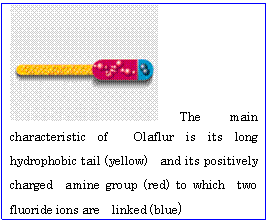 Amine fluorides have a hydrophobic molecular moiety, the non-polar tail (yellow), with a hydrophilic component, the polar amine head (red). For this reason, they act like surfactants, reducing the surface tension of saliva, and forming a homogeneous film on all oral surfaces.
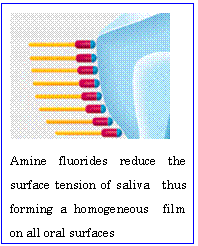 Due to their surface activity the amine fluorides are rapidly dispersed in the oral cavity and wet all surface areas. In contrast, in the case of inorganic fluorides the counter ion (e.g. sodium) has no transport function; the fluoride is statistically distributed in the oral cavity. Amine fluorides cover the tooth surfaces with a homogenous molecular layer. This continuous film prevents rapid rinsing off by the saliva. The amine fluorides are thus available as an active agent for a longer period. Amine fluorides have a slightly acidic pH. For this reason, fluoride ions can combine rapidly with the calcium in dental enamel to form calcium fluoride. This act as a fluoride depot over a longer period: under cariogenic conditions fluoride ions are made available stimulating the remineralisation of tooth enamel and such prevent acid attacks.
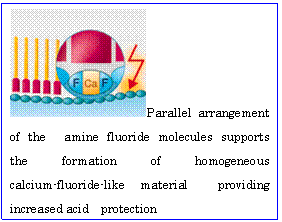
The caries-inhibiting and antibacterial properties of the organic amine fluoride, olaflur have also been recognized and scientifically confirmed since the beginning of fluoride research.